AI Assisted Coding With Better Experience and Quality -- A Two-Level System
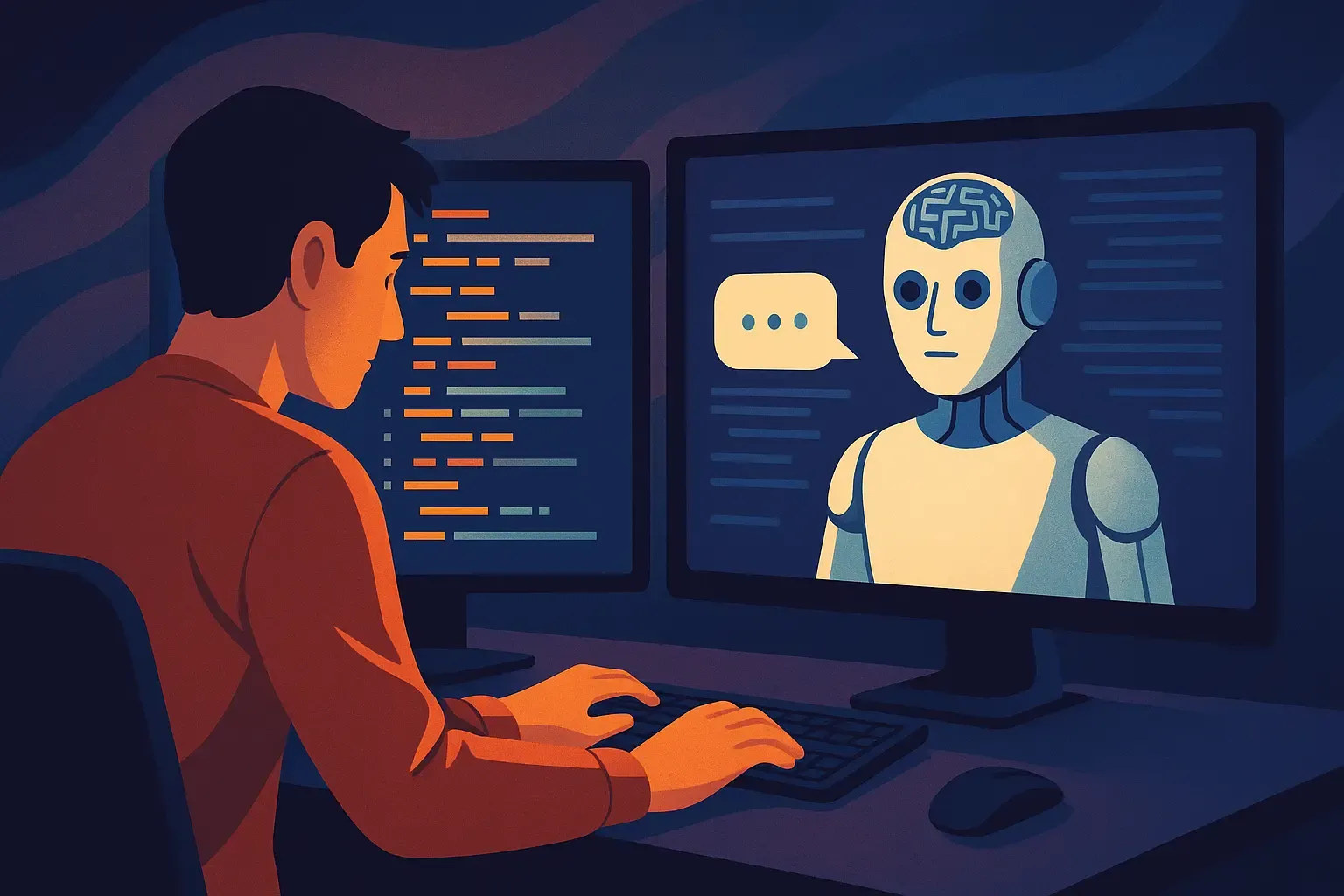
A practical two-level approach to working with AI coding assistants on complex codebases, while maintaining code quality and managing context windows effectively
Categories

A practical two-level approach to working with AI coding assistants on complex codebases, while maintaining code quality and managing context windows effectively

Discover how pydantic-graph elegantly solves Python's forward reference problems without the trial-and-error pain of .model_rebuild(). Learn the difference between static and runtime type resolution, and why capturing parent namespaces is brilliant design.

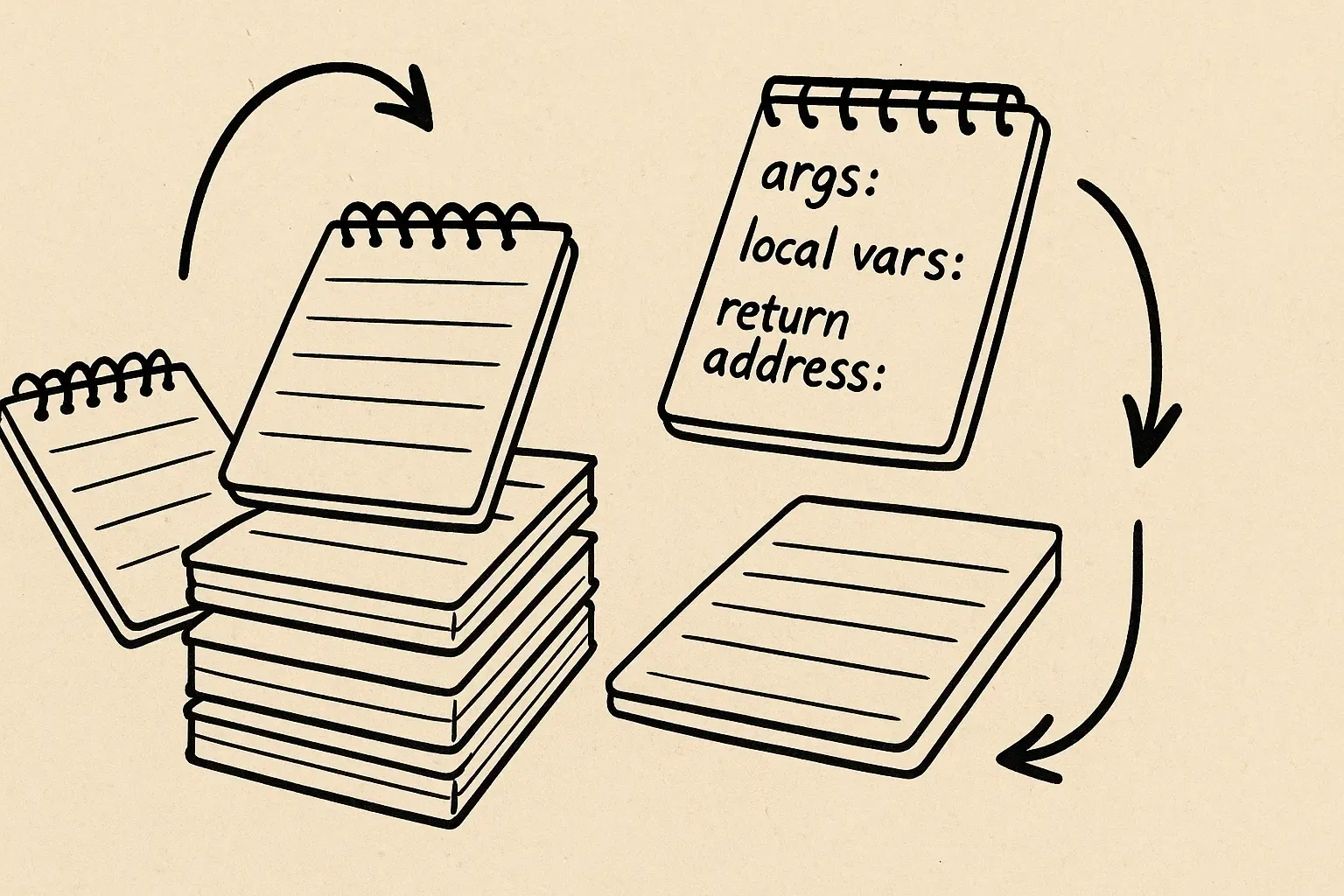
Discover how Python's inspect.currentframe() connects to the low-level concepts you learned in operating systems class. A journey from instruction pointers to PyFrameObjects.

Discover how AI-enhanced documentation can eliminate communication bottlenecks, scale your team's coordination, and free you from being the single point of failure in technical decisions.

A rigorous study proves AI tools make experienced developers measurably slower. Yet most developers kept using them anyway. Are developers just addicted to shiny tools, or is something deeper going on? The answer reveals why we've been measuring productivity completely wrong.

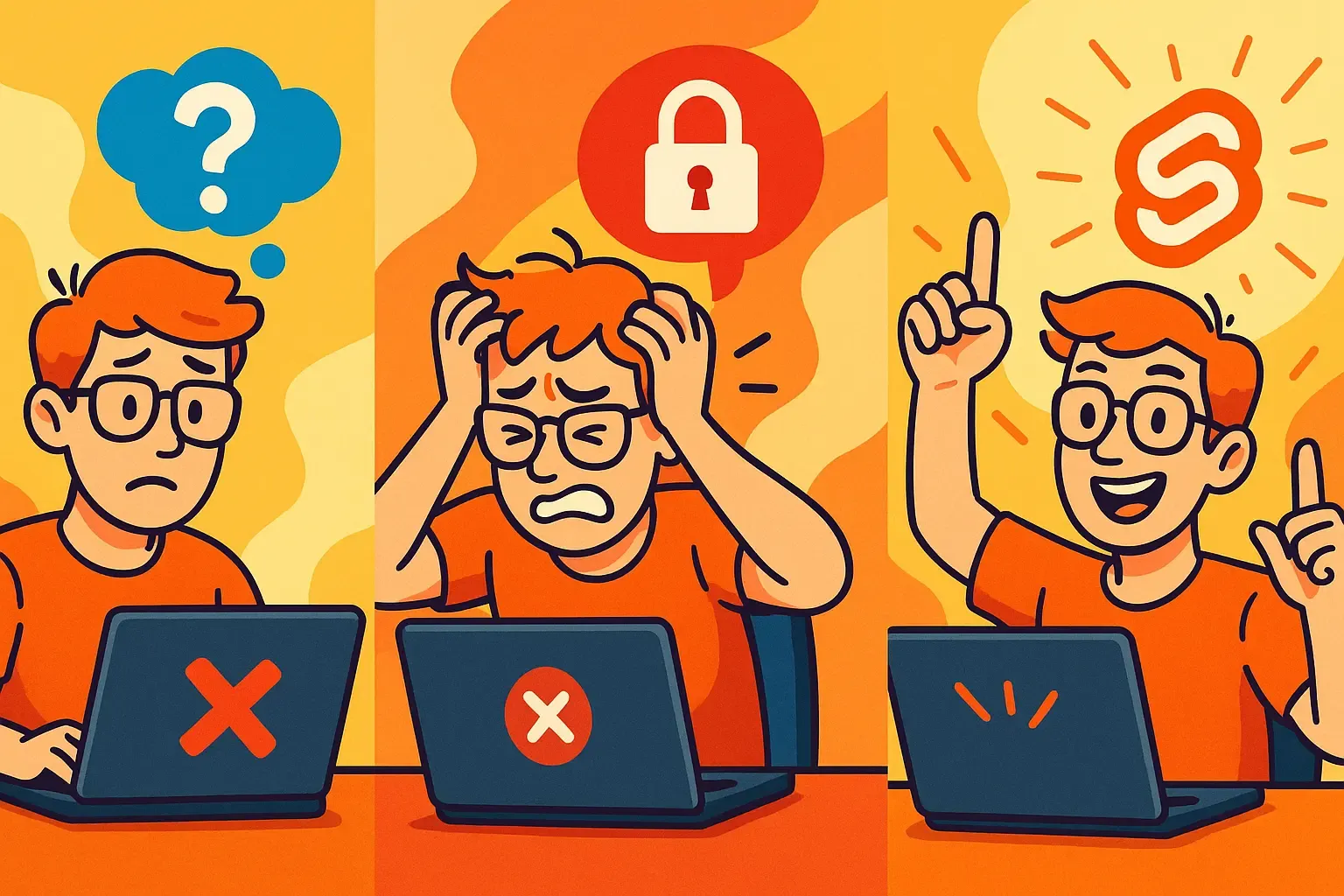
How debugging a staging environment led me to discover that webpages are just 'APIs for human eyes' and why SvelteKit might be the most elegant solution to modern web development's identity crisis

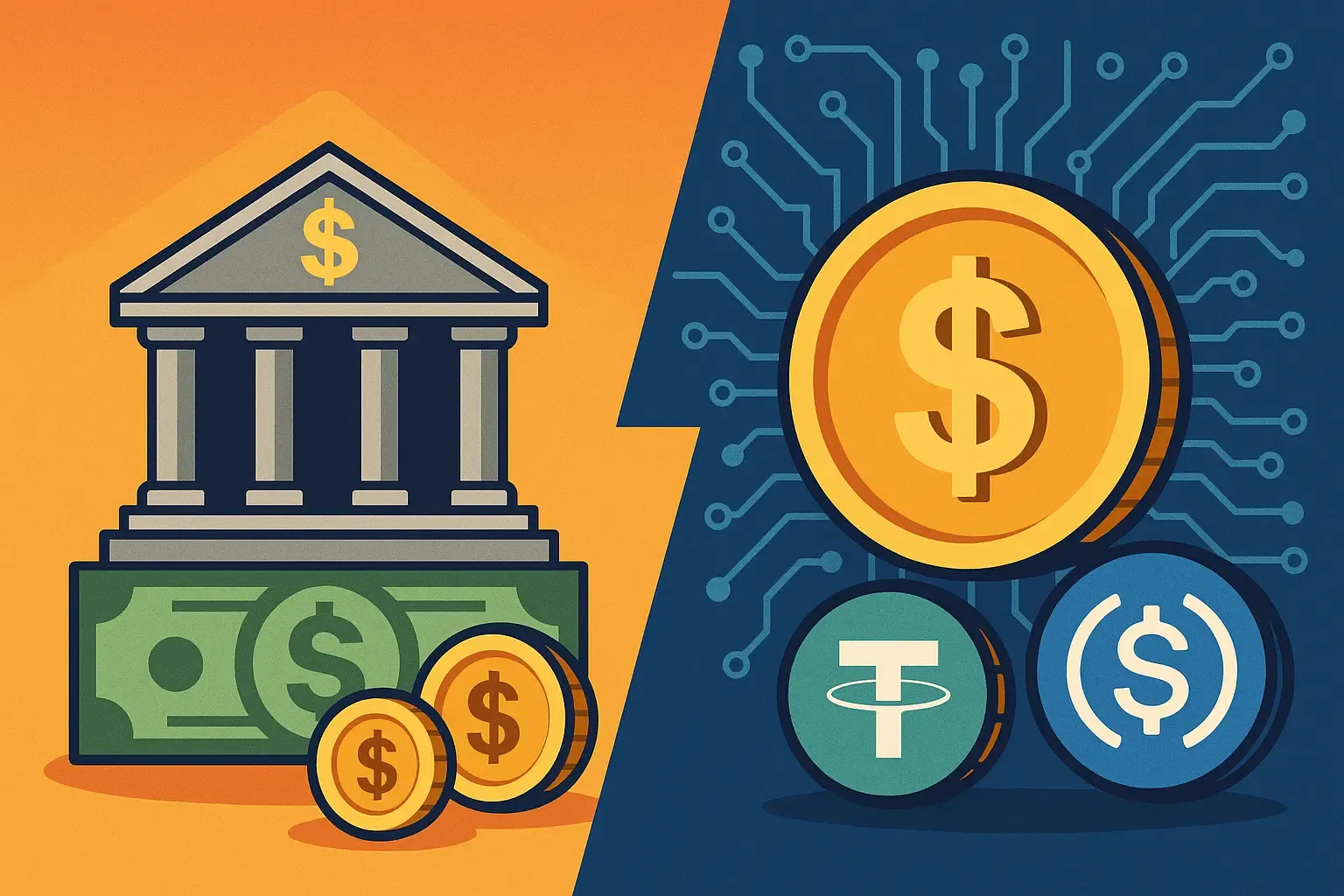
When my dad called from Eastern raving about stablecoins, I thought I'd stumbled onto the next big thing. Here's what my deep dive actually revealed about who really profits from digital dollars.

Ever logged in successfully only to find your app still thinks you're a stranger? Here's how I hunted down a sneaky race condition that was making authenticated users disappear into thin air.

A GenAI engineer's take on the MIT study claiming heavy LLM users show reduced brain connectivity, and my personal take on the issue.

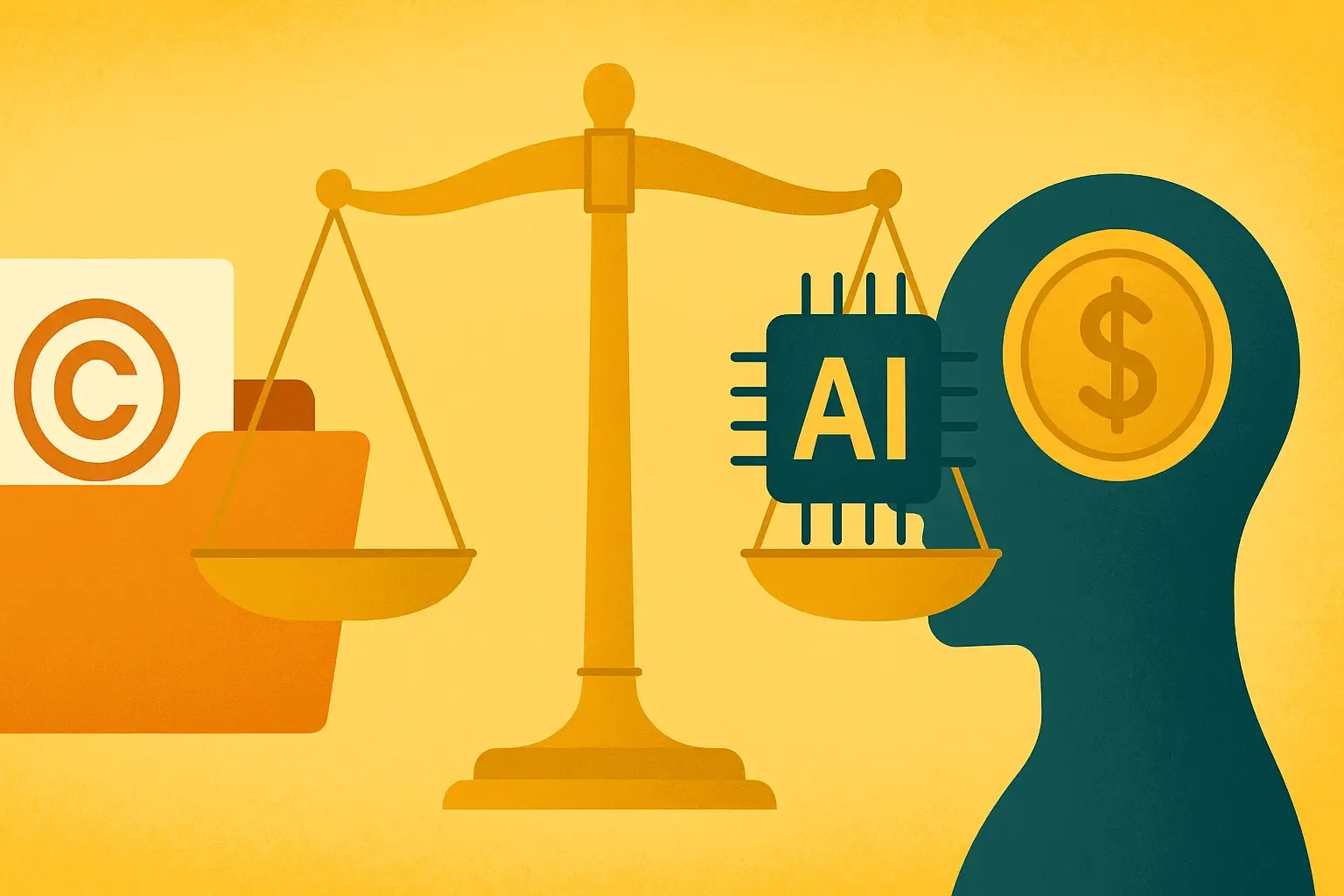
What if AI companies could legally train on copyrighted data while creators still got paid? Here's a framework that might actually work for both sides.